

Sustainable Business Practices
Sustainable business practices are essential for today’s companies. They help protect the environment, save costs, and attract customers. More businesses are adopting these practices to create a positive impact.
What Are Sustainable Business Practices?
Sustainable business practices involve methods that reduce environmental harm and promote well-being. These practices aim to use resources efficiently, minimize waste, and support social responsibilities.
Benefits of Sustainable Business Practices
Environmental Benefits
Sustainable business practices protect natural resources. By reducing waste and emissions, companies can lower their environmental footprint. This helps preserve ecosystems and reduces pollution.
Economic Benefits
These practices often lead to cost savings. For example, using energy-efficient systems can lower utility bills. Companies that recycle materials can also cut down on raw material costs.
Social Benefits
Businesses that focus on sustainability often improve community relations. They may create jobs and support local projects. This builds trust and loyalty with stakeholders.
Implementing Sustainable Practices
Energy Efficiency
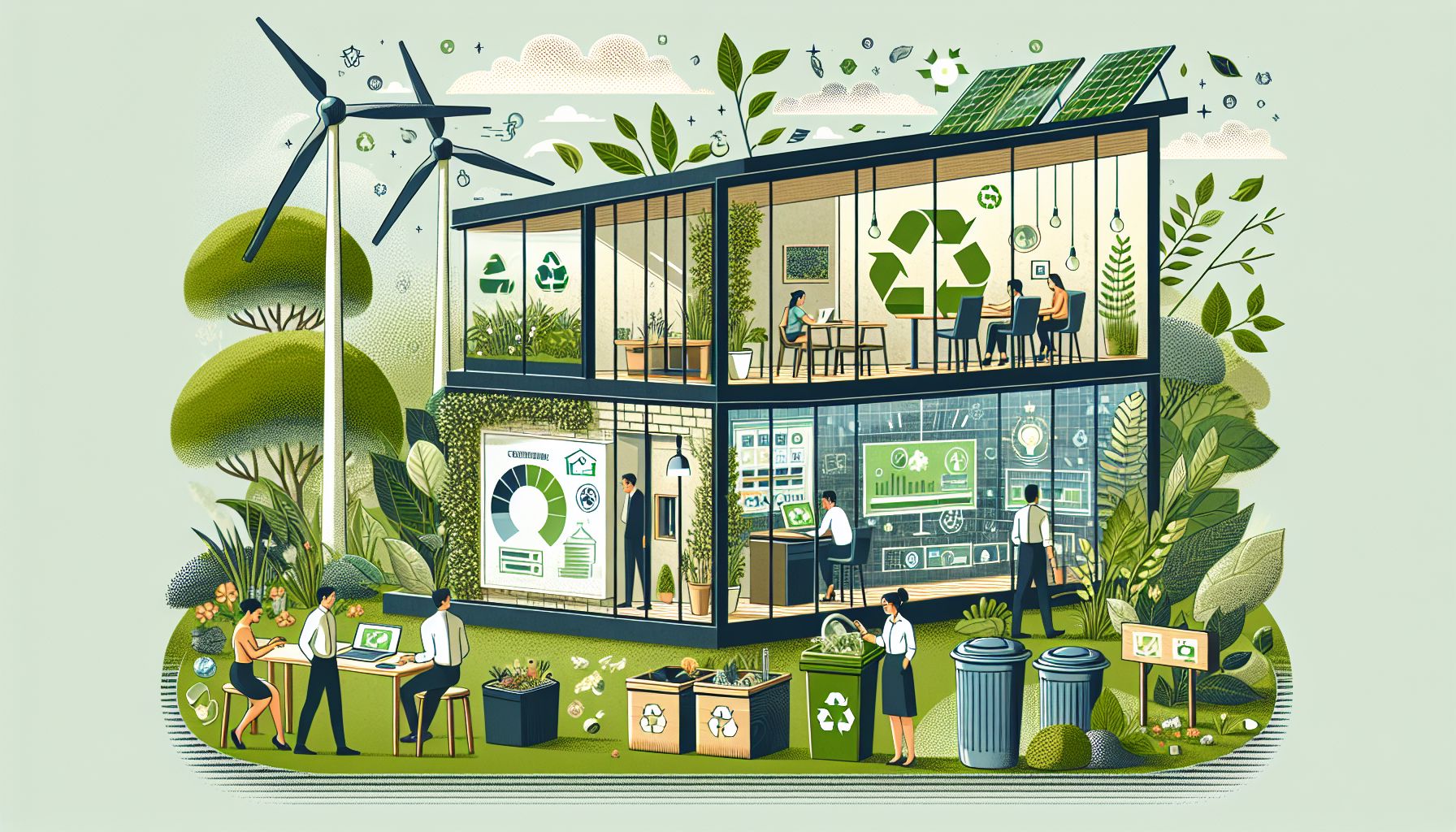
Businesses can improve energy efficiency by using LED lighting and modern appliances. These changes reduce energy use and lower costs. Many companies also invest in renewable energy sources like solar or wind power.

Waste Reduction
Reducing waste involves recycling materials and reusing products. Companies can also work on packaging reduction. This helps decrease landfill use and save resources.
Sustainable Sourcing
Businesses should source materials responsibly. This means choosing suppliers who follow ethical and environmental standards. Sustainable sourcing supports fair trade and reduces environmental impact.
Water Conservation
Industries can save water by updating systems and fixing leaks. Simple actions like using water-efficient fixtures also make a difference. Companies can contribute to water preservation efforts in their communities.
Challenges of Sustainable Practices
Initial Costs
Implementing sustainable practices can involve high upfront costs. Investments in new technology or systems might require significant spending. However, these costs can lead to long-term savings and benefits.
Resistance to Change
Some companies may struggle to change existing habits. Employees and management might resist new practices. Education and training can help overcome these challenges by showing the benefits of sustainable practices.
Lack of Awareness
Not everyone understands the importance of sustainability. Raising awareness through campaigns and workshops can help educate employees and customers. Companies can share success stories to inspire others.
Successful Companies with Sustainable Practices
Patagonia
Patagonia is a leader in sustainable business practices. The company uses recycled materials in its products. Patagonia also focuses on fair labor conditions and supports environmental activism.
IKEA
IKEA invests in renewable energy and sustainable sourcing. The company uses eco-friendly materials in many products. IKEA aims to become a climate-positive business by 2030.
How to Get Started
Assess Your Impact
Start by assessing your company’s environmental footprint. Identify areas where you can improve, such as energy use or waste production.
Set Goals
Establish clear sustainability goals. These should be measurable and attainable. Setting goals helps guide your sustainability efforts and track progress.
Engage with Stakeholders
Involve employees, customers, and suppliers in your sustainability journey. Encourage feedback and participation. Engaging stakeholders builds support and fosters collaboration.
Monitor and Report
Regularly review your sustainability practices. Monitor progress and make adjustments as needed. Reporting on sustainability efforts can enhance transparency and accountability.
Conclusion
Sustainable Business Practices are key to modern success. They offer environmental, economic, and social benefits. Companies that adopt these practices can build a positive image and contribute to a better future.
Learn more about these practices from McKinsey & Company.
For more insights, visit trusted sites like World Wildlife Fund and The Nature Conservancy.